Helping young people build respect, empathy, and emotional safety in every connection.
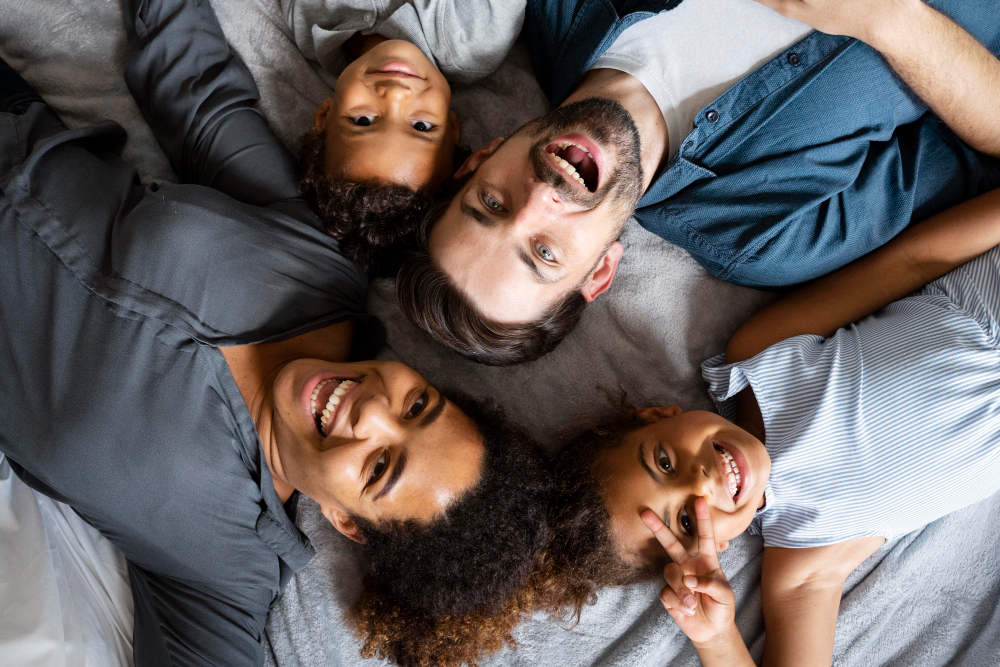
Relationships are the foundation of human life — from family and friendships to teachers, peers, and eventually romantic partners. For adolescents, learning how to build healthy, respectful relationships is one of the most powerful predictors of future happiness and emotional wellbeing.
At 4U2Thrive, our Healthy Relationship Skills Programme helps young people understand what healthy connection looks and feels like — teaching them how to communicate, set boundaries, and treat both themselves and others with respect.
What Are Healthy Relationship Skills?
Healthy relationship skills are the abilities that help young people form strong, respectful, and emotionally balanced relationships. They include:
- Effective communication — expressing feelings honestly and listening to others
- Empathy and compassion — understanding how others feel
- Boundary-setting — knowing where comfort and respect begin and end
- Conflict resolution — managing disagreements constructively
- Self-awareness — understanding one’s own needs, triggers, and emotions
These skills don’t come naturally; they are learned through guidance, reflection, and practice — especially during adolescence, when identity and independence are rapidly developing.
Why It’s Important
Adolescence is a time of exploration — emotionally, socially, and mentally. Without healthy relationship skills, young people can struggle with:
- Peer pressure or manipulation
- Low self-esteem and people-pleasing behaviours
- Misunderstandings or communication breakdowns
- Toxic friendships or early signs of emotional abuse
- Difficulty balancing independence and connection
Research shows that adolescents who learn empathy, respect, and boundary-setting early are less likely to experience anxiety, depression, or unhealthy relationships later in life.
By teaching these skills now, we empower young people to build relationships that uplift rather than drain them — relationships rooted in respect, not control.
How It Helps in Daily Life
Healthy relationship skills don’t just improve friendships or family interactions — they enhance every aspect of life. Adolescents who master these skills are better able to:
- Communicate clearly and respectfully
- Handle conflict without fear or aggression
- Build self-respect and emotional resilience
- Recognize and walk away from toxic dynamics
- Create safe, trusting connections at home, school, and beyond
These are not just social skills — they’re life skills that build confidence, leadership, and emotional intelligence.
Our Unique 4U2Thrive Approach
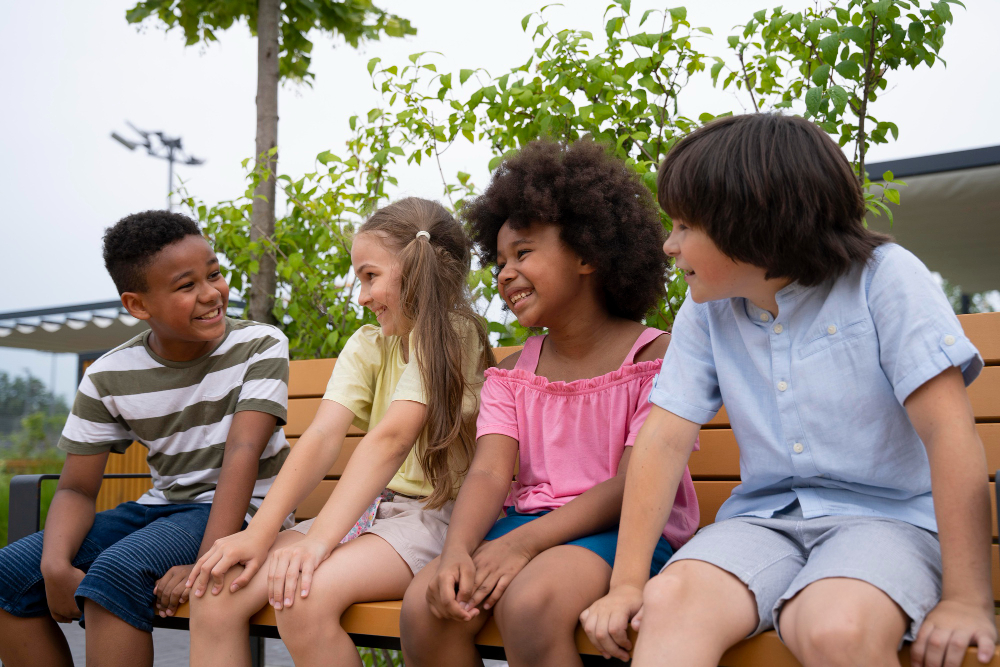
At 4U2Thrive, we believe healthy relationships start with self-awareness and emotional literacy. Our approach is built on empathy, science, and connection.
- Interactive Learning: We use age-appropriate discussions, role-play, and real-world scenarios to help young people see what healthy and unhealthy relationships look like in action.
- Psychology Meets Practicality: Our methods are grounded in evidence-based psychology and designed to be immediately useful in everyday life — at home, at school, and online.
- Safe, Non-Judgmental Spaces: Adolescents are encouraged to express themselves openly, share experiences, and ask questions without fear of criticism.
- Empowerment Over Fear: We don’t lecture about “what not to do.” We guide young people to understand their worth, trust their instincts, and make choices that honour themselves and others.
- Whole-Child Focus: We teach that healthy relationships begin within — by nurturing emotional regulation, self-respect, and compassion
Who Can Benefit
Our Healthy Relationship Skills Programme is ideal for:
- Adolescents navigating friendships or early romantic experiences
- Schools wanting to promote respect, empathy, and emotional safety
- Families who want better communication at home
- Youth groups or communities addressing bullying or social challenges
Empowering the Next Generation of Emotionally Intelligent Adults
At 4U2Thrive, we believe the ability to build and sustain healthy relationships is one of life’s most valuable skills. When young people learn how to communicate, set boundaries, and connect with empathy, they don’t just improve their relationships — they improve their entire quality of life.
Because strong relationships create strong people, and strong people create a stronger world.
Book a consultation or school workshop today and help your child or students learn the art of healthy connection — one conversation at a time.